
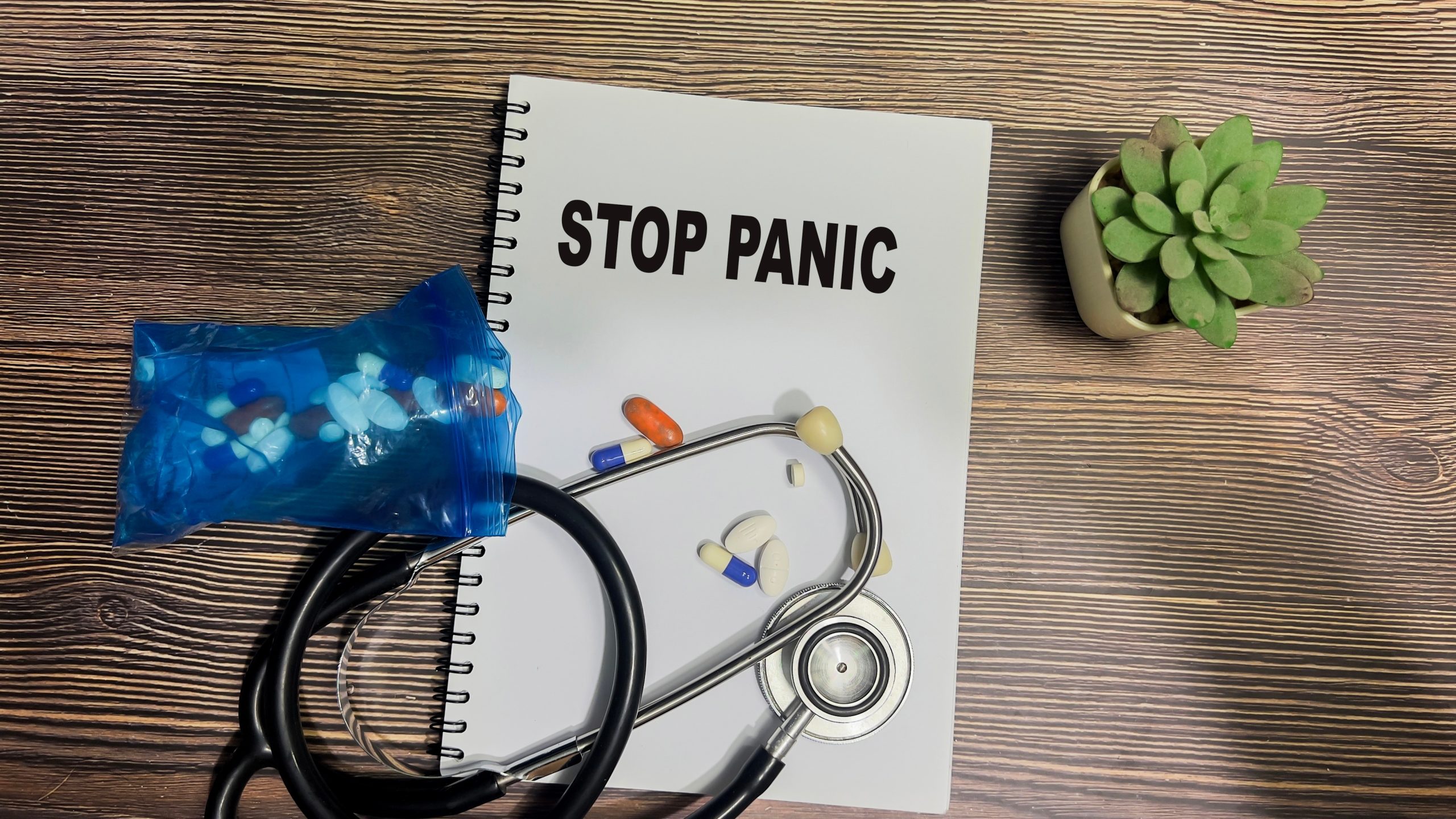
The most effective medications for anxiety and panic attacks are selective serotonin reuptake inhibitors (SSRIs), such as sertraline and escitalopram, followed by serotonin-norepinephrine reuptake inhibitors (SNRIs) like venlafaxine and duloxetine. These medications help balance brain chemicals that regulate mood and anxiety, with SSRIs typically recommended as the first-line treatment due to their effectiveness and relatively mild side effect profile.
Read on to learn more about how these medications work, their potential side effects, and which options may be best for different anxiety disorders.
Anxiety is characterized by persistent, excessive worry about everyday situations. It manifests through:
Restlessness and fatigue
Difficulty concentrating and irritability
Muscle tension and sleep disturbances
These ongoing symptoms can significantly interfere with daily life. Conditions like generalized anxiety disorder (GAD), social anxiety disorder, and phobias fall under this category.
Panic attacks are sudden, intense episodes of overwhelming fear that trigger severe physical reactions when there’s no real danger. Symptoms include:
Racing heart and sweating
Trembling and shortness of breath
Chest pain and feelings of impending doom
While attacks typically peak within 10 minutes, the fear of having another one can be debilitating.
Therapy and lifestyle changes can effectively manage anxiety, but medication becomes important when symptoms significantly impair your ability to function. Consider medication if you experience:
Persistent worry lasting most days for at least 6 months
Frequent panic attacks that make you avoid certain situations
Interference with work, school, or relationship performance
Physical symptoms like chronic tension, fatigue, or insomnia
A thorough psychiatric evaluation is the first step to determine if medication is right for you.
Anxiety medications target neurotransmitters – brain chemicals including serotonin, norepinephrine, and GABA – that regulate mood and stress responses. Different medications work through different mechanisms:
Long-term medications (SSRIs, SNRIs) gradually adjust neurotransmitter levels for sustained relief
Short-term medications (benzodiazepines) provide rapid, temporary relief during acute symptoms
The goal isn’t to eliminate all anxiety but to reduce it to manageable levels so you can live more fully.
Selecting the right medication involves considering multiple factors:
Your specific anxiety disorder type (GAD, panic disorder, OCD)
Symptom severity and frequency
Medical history and current medications
Previous responses to anxiety medications
Potential side effects and lifestyle considerations
A trauma-informed medication management approach ensures ongoing monitoring to optimize your treatment plan.
SSRIs increase serotonin levels in the brain, helping regulate mood and reduce anxiety. They’re the most commonly prescribed medications for long-term anxiety management.
Common SSRIs include:
Sertraline (Zoloft)
Escitalopram (Lexapro)
Paroxetine (Paxil)
Fluoxetine (Prozac)
Citalopram (Celexa)
SSRIs offer several advantages:
Generally well-tolerated with fewer side effects than older antidepressants
Not habit-forming
Can treat both anxiety and depression simultaneously
Most patients notice improvements within 4-6 weeks, though benefits may appear sooner.
SNRIs affect both serotonin and norepinephrine, providing dual-action benefits that can be particularly effective when SSRIs alone aren’t sufficient.
Common SNRIs include:
Venlafaxine (Effexor XR)
Duloxetine (Cymbalta)
Desvenlafaxine (Pristiq)
SNRIs typically take 4-8 weeks to reach full effectiveness, similar to SSRIs.
These fast-acting sedatives enhance GABA activity, producing calming effects within 30-60 minutes.
Common benzodiazepines:
Alprazolam (Xanax)
Lorazepam (Ativan)
Clonazepam (Klonopin)
Diazepam (Valium)
These medications offer immediate relief from panic attacks or severe, acute anxiety.
Beta-blockers block adrenaline effects, reducing physical anxiety symptoms without affecting psychological aspects.
Common beta-blockers:
Propranolol (Inderal)
Atenolol (Tenormin)
These medications are suitable for situational or performance anxiety (public speaking, presentations), reducing symptoms like racing heart, trembling, and sweating.
These older antidepressants remain valuable when newer medications haven’t been effective.
Common TCAs:
Amitriptyline (Elavil)
Imipramine (Tofranil)
Nortriptyline (Pamelor)
These medications may be prescribed in cases where SSRIs and SNRIs haven’t provided adequate relief, particularly for panic disorder.
A non-sedating anti-anxiety medication that affects specific serotonin and dopamine receptors. Buspirone can be used as a long-term treatment for GAD. Takes 2-4 weeks to become effective.
Hydroxyzine (Vistaril) provides sedative and anti-anxiety effects within 30 minutes to 2 hours. Mild to moderate anxiety on an as-needed basis, as a non-addictive alternative to benzodiazepines.
Low doses may enhance the effectiveness of antidepressants in treatment-resistant cases.
Common medications:
Aripiprazole (Abilify)
Quetiapine (Seroquel)
Atypical antipsychotics can alleviate severe treatment-resistant anxiety or anxiety with co-occurring mood disorders.
Understanding medication timelines helps set realistic expectations:
Immediate Relief (30-60 minutes):
Benzodiazepines
Beta-blockers
Hydroxyzine
Gradual Improvement (2-4 weeks):
Buspirone
Full Benefits (4-8 weeks):
SSRIs
SNRIs
During this initial period, staying in close contact with your provider is crucial for monitoring side effects and tracking progress.
SSRIs and SNRIs show 60-70% effectiveness rates for long-term anxiety management across various disorders. Benzodiazepines provide immediate relief but don’t treat underlying conditions.
Never stop anxiety medications abruptly. Discontinuation requires medical supervision:
SSRIs/SNRIs: Gradual taper over weeks/months to avoid discontinuation syndrome
Benzodiazepines: Careful tapering essential to prevent rebound anxiety or seizures
Consider scheduling an evaluation if anxiety:
Interferes with work performance or attendance
Causes you to avoid social situations
Triggers regular physical symptoms
Disrupts sleep due to worry
Persists despite self-help strategies
You don’t have to manage these feelings alone. Modern telehealth makes expert care accessible from home.
So, what are the best medications for anxiety and panic attacks? The answer depends on your unique symptoms and needs, but SSRIs and SNRIs are typically the first-line options for long-term management. Other medications may be appropriate for short-term relief or specific situations. Professional guidance is essential to find the most effective and safe treatment plan for you.
About the Author
Astra Psychiatry
May 13, 2026