
Navigating the complexities of daily life often brings moments of stress, but for many, these feelings can escalate into persistent anxiety that impacts overall well-being. Understanding anxiety isn't about eliminating it entirely, but rather learning to manage its impact on your life, allowing you to find greater peace and control. At Astra Psychiatry, we believe in empowering individuals with practical tools to navigate these challenges. This post aims to shed light on anxiety and equip you with actionable strategies for daily relief.

Recognizing the Nuances of Anxiety
Anxiety is a natural human emotion, a primal alarm system designed to keep us safe. However, when this system becomes overactive, it can manifest in various ways, often making daily life feel overwhelming. Beyond the general feeling of worry, anxiety can present with distinct physical sensations such as a racing heart, shortness of breath, muscle tension, and digestive issues. Emotionally, it might involve irritability, restlessness, or a sense of impending doom. Cognitively, you might experience difficulty concentrating, excessive rumination, or catastrophic thinking. Recognizing these specific signs in yourself is the first crucial step toward effective management and finding relief.
Embracing Mindful Awareness and Grounding Techniques
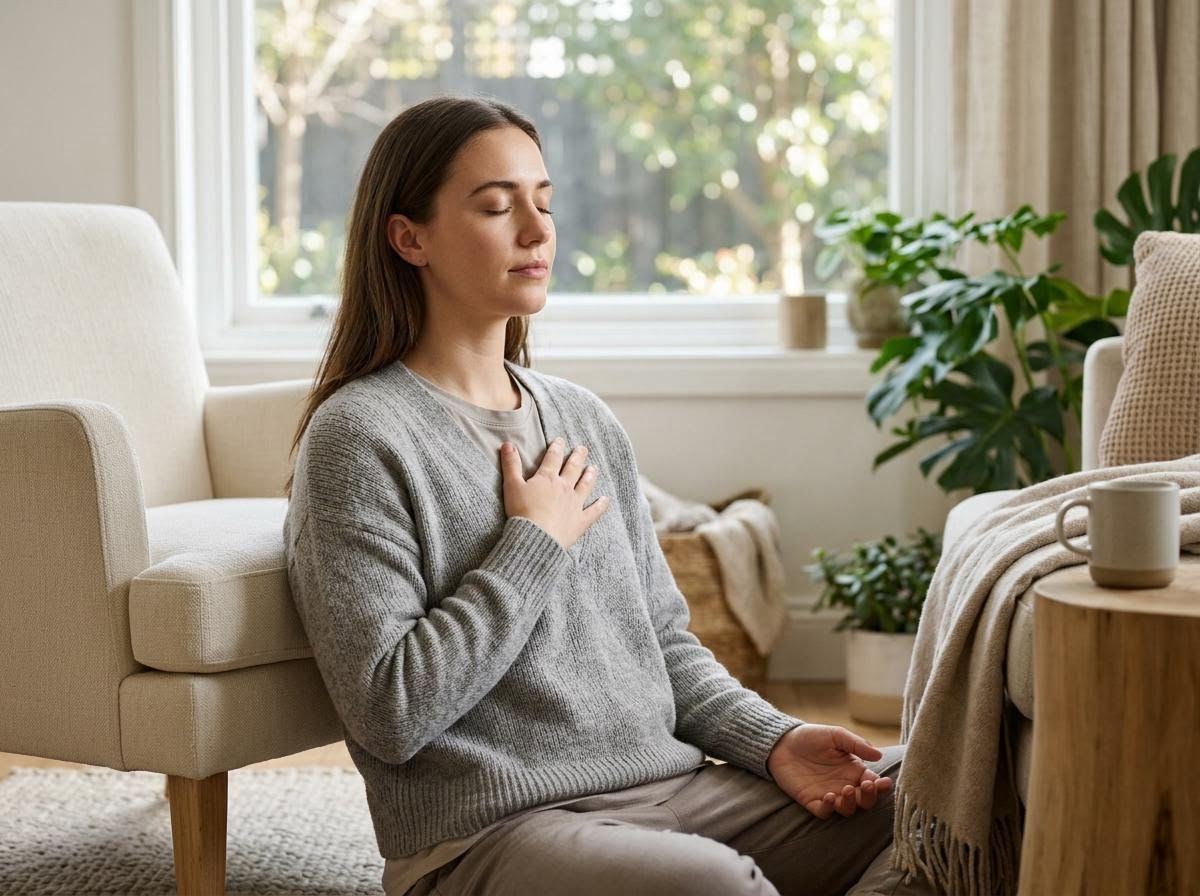
When anxiety strikes, it often pulls our minds into the past or future, away from the present moment. Cultivating mindful awareness can help anchor you. Simple techniques, like deep diaphragmatic breathing, can immediately signal to your nervous system to calm down. Try inhaling slowly through your nose, feeling your abdomen rise, and exhaling slowly through your mouth. Grounding techniques, such as the 5-4-3-2-1 method (identifying 5 things you can see, 4 things you can touch, 3 things you can hear, 2 things you can smell, and 1 thing you can taste), can help redirect your focus from anxious thoughts to your immediate surroundings, offering a sense of stability.

Lifestyle Foundations for Emotional Resilience
While immediate coping mechanisms are vital, long-term anxiety management often hinges on establishing a supportive lifestyle. Prioritizing consistent, quality sleep is paramount, as sleep deprivation can significantly heighten anxiety levels. Nurturing your body with balanced nutrition, limiting processed foods, excessive caffeine, and alcohol, can also play a crucial role in stabilizing mood and energy. Regular physical activity, even moderate daily walks, releases endorphins that act as natural stress reducers. Furthermore, consciously managing your digital consumption and creating dedicated 'unplugged' time can reduce sensory overload and mental fatigue, common contributors to anxiety.
Building Support Systems and Seeking Professional Insight
Navigating anxiety doesn't mean you have to do it alone. Building a robust support system, whether through trusted friends, family members, or community groups, provides a valuable outlet for sharing experiences and feelings. Sometimes, however, the strategies you try on your own may not be enough, or you might feel overwhelmed by the persistent nature of your anxiety. Recognizing when to seek professional guidance is a sign of strength. Mental health professionals can offer personalized strategies, therapeutic approaches like Cognitive Behavioral Therapy (CBT), or medication management tailored to your specific needs, providing a path towards more profound and lasting relief.
Finding relief from anxiety is a journey, not a destination, requiring patience, self-compassion, and a willingness to explore different strategies. By understanding its manifestations, practicing mindfulness, adopting supportive lifestyle habits, and knowing when to reach out for help, you can cultivate greater peace and resilience in your daily life. If you're seeking a personalized approach to managing anxiety, we invite you to explore the resources and services available at Astra Psychiatry.